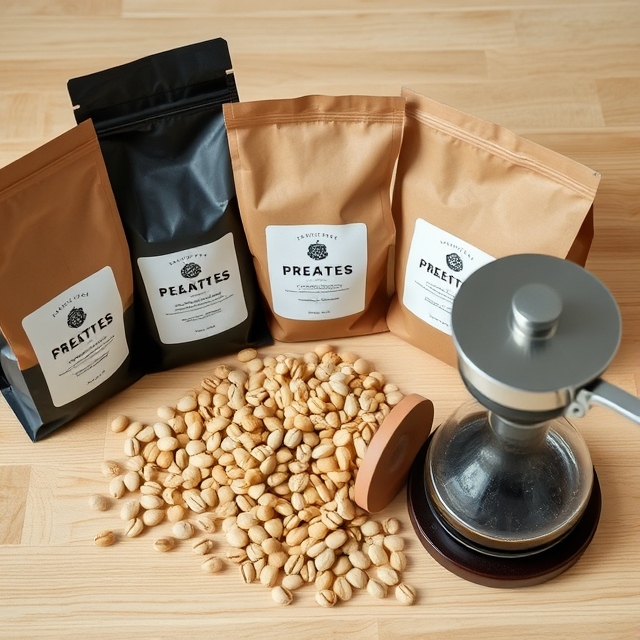
When buying organic specialty coffee, start by looking beyond the word “organic.” A good buying decision involves checking the coffee’s certification, bean variety, origin, roast style, freshness, processing information, and suitability for your preferred brewing method.
Organic, specialty, Arabica, and Fair Trade are not interchangeable terms. Each describes a different aspect of a coffee product. Understanding what each term means can help you compare options more carefully and choose coffee that fits your preferences.
What Does Organic Specialty Coffee Mean?
Organic coffee refers to coffee produced according to applicable organic production and handling standards. The exact requirements depend on the certification system and market, so shoppers should look for clear certification information rather than assuming that a natural-sounding description means a product is certified organic.
Specialty coffee is a separate concept. It generally refers to coffee that is distinguished by quality and identifiable characteristics across factors such as origin, processing, roasting, and preparation.
Therefore, when buying organic specialty coffee, it helps to evaluate both aspects separately: whether the coffee has appropriate organic certification and what makes the particular coffee distinctive.
Check the Bean Variety
The type of coffee bean is another useful detail to examine. Arabica is widely used in specialty coffee and is associated with a broad range of aromas and flavors.
However, bean variety alone does not determine the final taste. Origin, growing conditions, processing, roasting, grinding, and brewing all contribute to the finished cup.
A package that clearly identifies the bean variety gives you more information for comparing different coffees.
For shoppers interested in an unusual roast style, organic Arabica white coffee offers an example of how Arabica, organic positioning, and a distinctive light roast can be combined in one coffee choice.
Look for Clear Origin Information
Origin information can make a coffee easier to understand. Depending on the product, the packaging may identify a country, region, farm, cooperative, or other source.
Origin does not automatically tell you whether a coffee will taste a certain way, but it provides useful context. Coffee from different growing regions can have different characteristics, and processing methods can further influence the cup.
When a product provides transparent sourcing information, buyers have more details available for comparison.
Understand the Roast Profile
Roast level is particularly important when choosing specialty coffee.
Light, medium, and dark roasting produce different physical and sensory characteristics. Lighter roasting generally results in beans with a lighter appearance and can preserve more characteristics associated with the original coffee. Darker roasting develops deeper roasted flavors and a darker color.
Some coffees are roasted exceptionally lightly. These beans can be harder and denser than more developed roasts, which may affect grinding and brewing.
If you normally drink medium or dark coffee, an unusually light roast may require some adjustment to your preparation method.
Check Organic Certification Separately
A coffee package may contain several different claims, but each should be considered on its own.
If organic production is important to you, look for the relevant certification or clearly stated organic standard. Do not assume that terms such as “natural,” “pure,” or “chemical-free” are equivalent to formal organic certification.
This is one of the simplest ways to make the buying process more evidence-based.
Do Not Treat Fair Trade and Organic as the Same
Fair Trade and organic describe different areas of the coffee supply chain.
Organic standards concern agricultural and handling practices under a particular certification system. Fair Trade programs focus on trading standards and relationships within participating supply chains.
A coffee may have one designation without automatically having the other. If both matter to you, check for information about each separately.
This distinction is especially useful when comparing specialty coffees with multiple certifications or sourcing claims.
Consider Freshness and Processing
Freshness is another factor worth checking. Coffee changes over time after roasting, and the way it is packaged and stored can affect how long its aroma and flavor remain enjoyable.
Look for useful date information when it is provided, and consider how quickly you normally consume coffee.
Processing information can also help you understand a coffee’s character. Was it washed, naturally processed, or prepared using another method? Such details can influence aroma and flavor alongside origin and roasting.
Match the Coffee to Your Brewing Equipment
Your brewing method should influence what you buy.
Espresso, drip coffee, pour-over, and French press require different grind sizes and extraction approaches. A coffee that performs well with one method may need adjustments with another.
This is particularly relevant with very lightly roasted coffee. Dense beans can be more challenging for some home grinders, so buyers should consider whether they have suitable grinding equipment or whether a prepared grind option would be more practical.
Water temperature, grind size, coffee-to-water ratio, and brewing time can also affect the final result.
Read the Complete Product Information
The front of a coffee package rarely tells the whole story. Before buying, check the available information about:
- Organic certification
- Bean variety
- Origin
- Processing method
- Roast level
- Roast or packaging date
- Grind options
- Recommended brewing methods
- Fair Trade certification or sourcing information, when applicable
These details allow you to compare coffees based on information rather than relying only on broad marketing descriptions.
A Simple Checklist for Buying Organic Specialty Coffee
A practical buying process can be as simple as asking a few questions.
Is it actually certified organic? Check the relevant certification information.
What type of coffee is it? Look for the bean variety and available origin details.
How is it roasted? Consider whether the roast level matches your preferred flavor profile and equipment.
How was it processed? Processing information can provide additional context about expected characteristics.
Is it fresh enough for your routine? Check available date information and consider your consumption rate.
Will it work with your brewing method? Make sure the grind and roast characteristics suit your equipment.
By considering these factors together, buying organic specialty coffee becomes much more straightforward. Instead of choosing based on a single label or claim, you can evaluate the coffee’s production standards, bean characteristics, sourcing, roast profile, freshness, and brewing requirements before deciding what fits your routine.