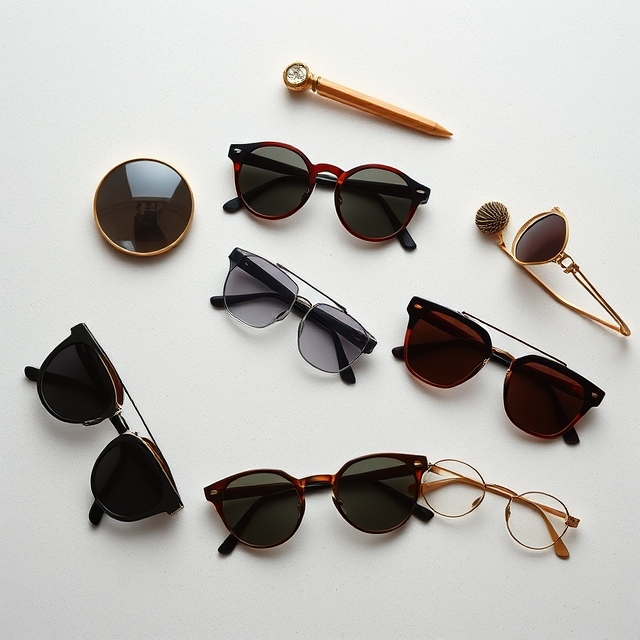
Understanding classic sunglasses shapes makes it easier to narrow down eyewear choices without relying entirely on trends. Round, square, oval, browline, pilot, and geometric frames each create a different visual effect, and small changes in width, thickness, and lens proportions can make the same basic shape feel completely different.
Instead of asking which sunglasses shape is universally best, consider what kind of appearance you want and how the frame works with your facial proportions, wardrobe, and everyday use.
Why Does Sunglasses Shape Matter?
The shape of a frame is one of the first things people notice. It influences the overall character of the sunglasses and can change how structured, soft, bold, or understated they appear.
Shape also affects visual balance. Angular frames can introduce stronger lines, while curved frames can create a softer impression. Larger silhouettes become more prominent accessories, while narrow designs tend to attract less attention.
However, the frame shape alone does not determine the final look. Color, material, lens size, bridge design, and frame width all contribute.
Round Sunglasses
Round sunglasses are among the most recognizable classic eyewear silhouettes. Their curved lenses and circular or near-circular frames create a softer appearance and are often associated with vintage-inspired styling.
They can range from small and understated to large statement frames.
When Do Round Frames Work Well?
Round frames can be useful when you want eyewear with a noticeable retro character. They can also create contrast against clothing with strong straight lines.
A thick acetate round frame feels different from a thin metal version, even though both belong to the same basic shape category.
For everyday wear, consider the size carefully. An extremely large round frame can dominate an outfit, while a moderate frame can provide vintage character more subtly.
Square Sunglasses
Square sunglasses use stronger horizontal and vertical lines, giving them a more structured appearance.
They can look bold, modern, classic, or retro depending on the frame thickness and corner shape. A slightly rounded square frame may feel softer, while a sharply defined silhouette can appear more dramatic.
Square sunglasses are also versatile because they can be styled with casual clothing, streetwear, or more polished outfits.
Oval Sunglasses
Oval frames sit between strongly rounded and more structured silhouettes.
Their curved shape can create a softer appearance without having the distinctly circular outline of a round frame. This makes oval sunglasses useful for shoppers who want a classic shape with a slightly different visual profile.
Lens proportions matter here. A narrow oval frame creates a very different effect from a larger, deeper oval silhouette.
Browline Sunglasses
Browline sunglasses are recognizable because the upper section of the frame carries more visual emphasis than the lower portion.
This design creates a distinctive profile without requiring an oversized lens shape. Browline frames can therefore work well for someone who wants a noticeable classic influence but does not necessarily want extremely large sunglasses.
The style can appear particularly different depending on the contrast between the upper frame and lower lens area.
Pilot and Aviator-Inspired Sunglasses
Pilot and aviator-inspired sunglasses are known for their distinctive lens shape and recognizable classic styling.
Traditional versions often feature metal construction and larger lenses, but modern interpretations can vary considerably in size, material, and color.
The proportions are especially important. A larger pilot frame creates a stronger statement, while a more compact version can feel easier to incorporate into everyday outfits.
Geometric Sunglasses
Geometric frames move beyond familiar round and square outlines by using unusual angles or combinations of curves and straight edges.
They can include hexagonal, angular, asymmetrical, or other distinctive silhouettes.
Geometric sunglasses are useful when you want classic eyewear ideas with a more contemporary edge. They can also make the sunglasses themselves the focal point of an outfit.
Because the shape is more visually complex, neutral colors can sometimes create a more restrained appearance, while bright colors or bold materials make the frame even more noticeable.
Classic Sunglasses Shapes and Face Proportions
Face shape can help guide your selection, but it should not be treated as a strict matching system.
Round facial features may create interesting contrast with square or rectangular frames. Stronger facial angles can be softened by rounded or oval silhouettes. Oval faces can accommodate many different designs, although frame width and overall proportions still matter.
A better question is:
Does the frame create the visual balance I want?
Look at the width of the sunglasses compared with your face, where your eyes sit within the lenses, and how the frame extends toward your temples.
These details can matter just as much as the general shape category.
How Frame Thickness Changes a Classic Shape
Two frames with identical outlines can look completely different because of thickness.
A thick acetate square frame can appear bold and substantial. A thin metal square frame can feel lighter and more refined.
The same principle applies to round, oval, and browline designs.
When shopping, therefore, do not stop at the shape name. Examine the frame’s construction and proportions as well.
How Color Changes the Effect
Color can reinforce or soften the character of a frame.
Black sunglasses often create a strong, versatile appearance. Brown and tortoise tones can add warmth and emphasize vintage-inspired styling. Transparent frames can make a substantial silhouette feel visually lighter.
Brighter colors can turn even a familiar frame shape into a statement accessory.
Think about your existing wardrobe before choosing a strong color. If your clothing is mostly neutral, colorful sunglasses can add contrast. If your outfits already contain several bold elements, a simpler frame may provide better balance.
How to Choose Between Classic Sunglasses Shapes
A simple way to narrow down your options is to decide what role you want the sunglasses to play.
For subtle everyday styling: Consider moderate-sized oval, square, or pilot-inspired frames.
For vintage character: Explore round, browline, or softly structured silhouettes.
For a bold accessory: Look at oversized square, round, or geometric frames.
For a streamlined appearance: Consider narrower rectangular or oval designs.
For a distinctive statement: Geometric frames can provide a less conventional silhouette.
There is no requirement to choose only one category. Many wardrobes benefit from having different frame shapes for different occasions.
For shoppers comparing several silhouettes, a dedicated classic sunglasses styles collection can make it easier to see how shape, color, material, and proportions work together.
Common Questions About Sunglasses Shapes
What is the most classic sunglasses shape?
There is no single universal classic shape. Round, square, oval, browline, and pilot-inspired frames have all remained recognizable because each offers a distinct visual identity.
Are round sunglasses still stylish?
Round sunglasses can work well as both vintage-inspired and contemporary accessories. Their overall effect depends on frame size, material, color, and how they are styled.
What makes a sunglasses shape look retro?
A frame can feel retro when its silhouette, proportions, materials, colors, or lens treatment draws from recognizable historical eyewear styles.
Should sunglasses shape match your face shape?
Not necessarily. Face shape can provide useful guidance, but personal preference, frame proportions, fit, and wardrobe should also influence the decision.
Finding a Shape That Fits Your Style
Classic sunglasses shapes remain useful because they provide recognizable design foundations without limiting you to one fashion era. Round frames can add softness, square designs can introduce structure, oval silhouettes can feel understated, browline frames can add character, pilot styles can bring a familiar classic influence, and geometric frames can make a stronger statement.
Once you understand these differences, choosing sunglasses becomes less about following a universal rule and more about selecting the shape, proportions, materials, and colors that fit your own style.